Coaching Tendencies on the Opening Play: Reading the First Possession Script
 Available in US
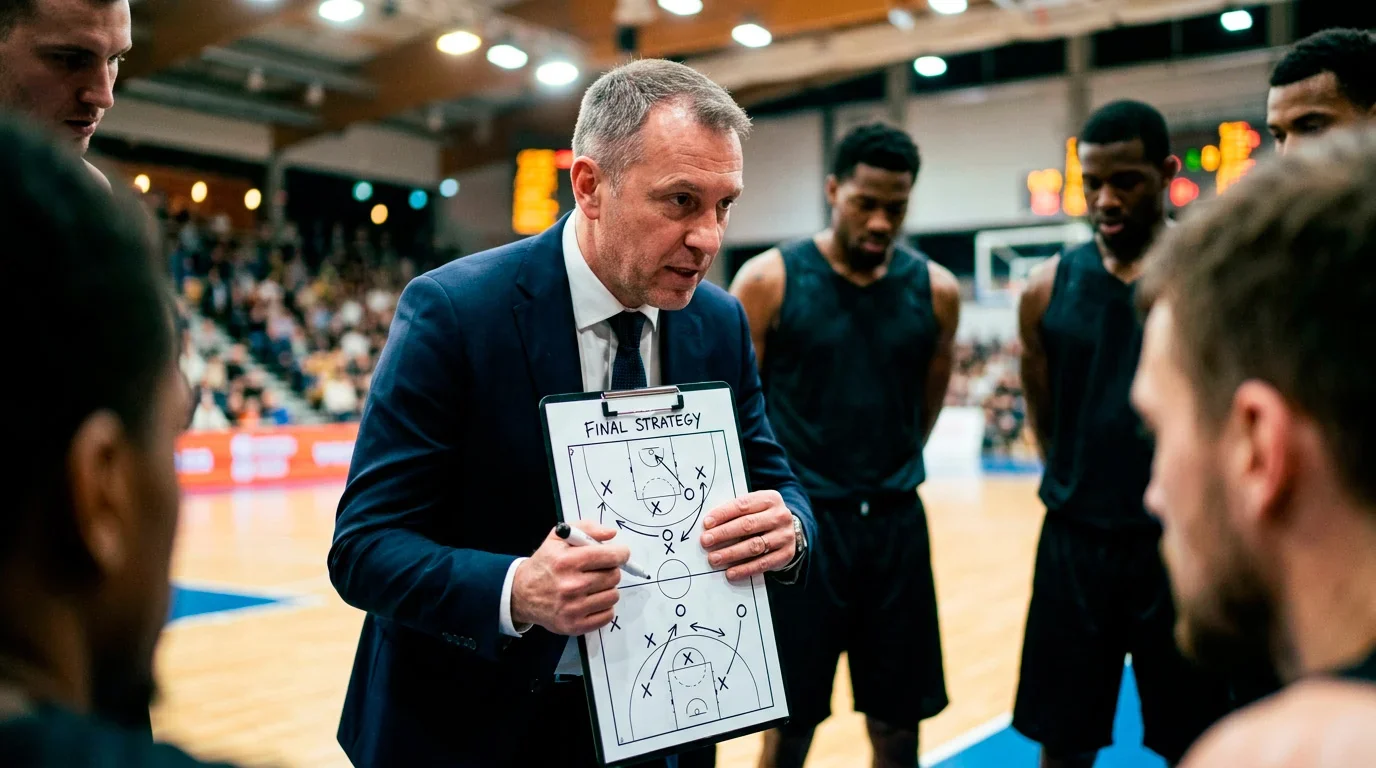
The afternoon I noticed three coaches running the same opening set
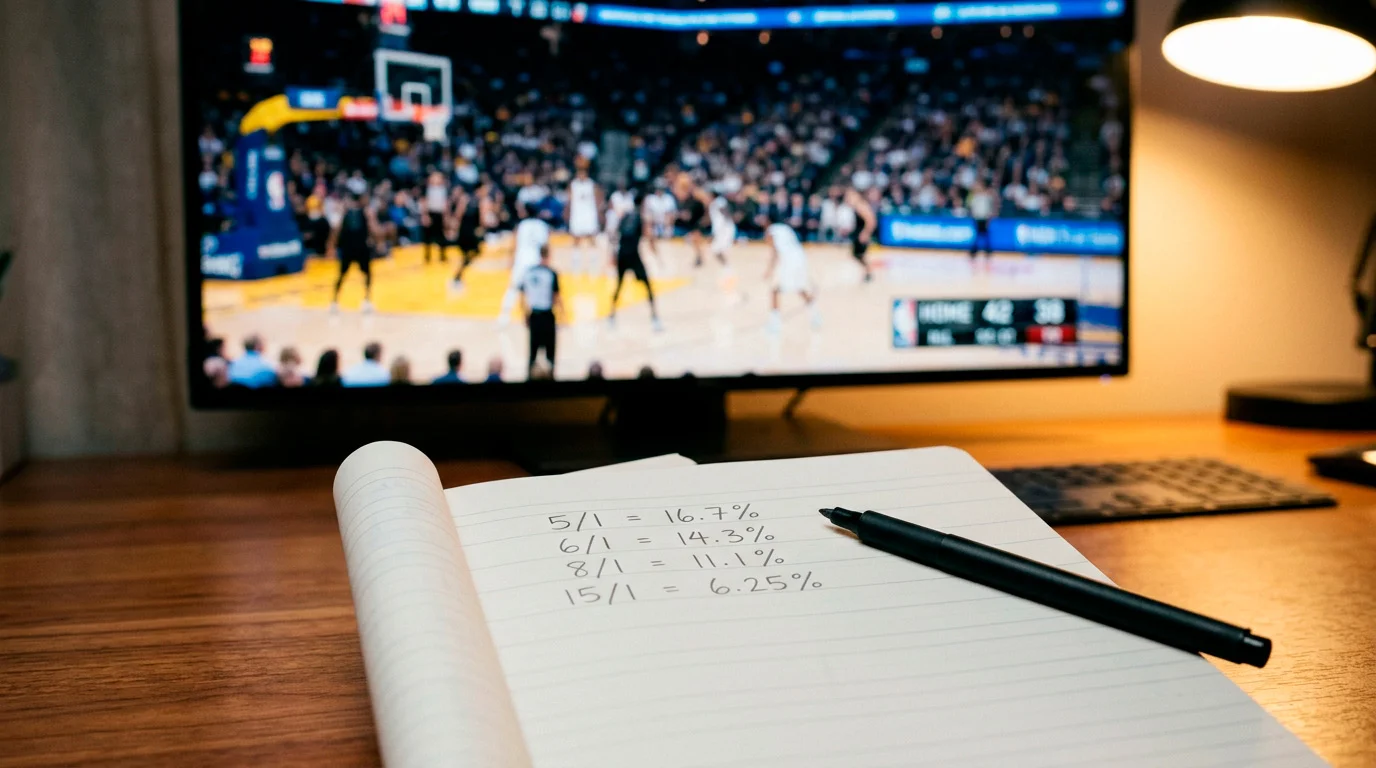
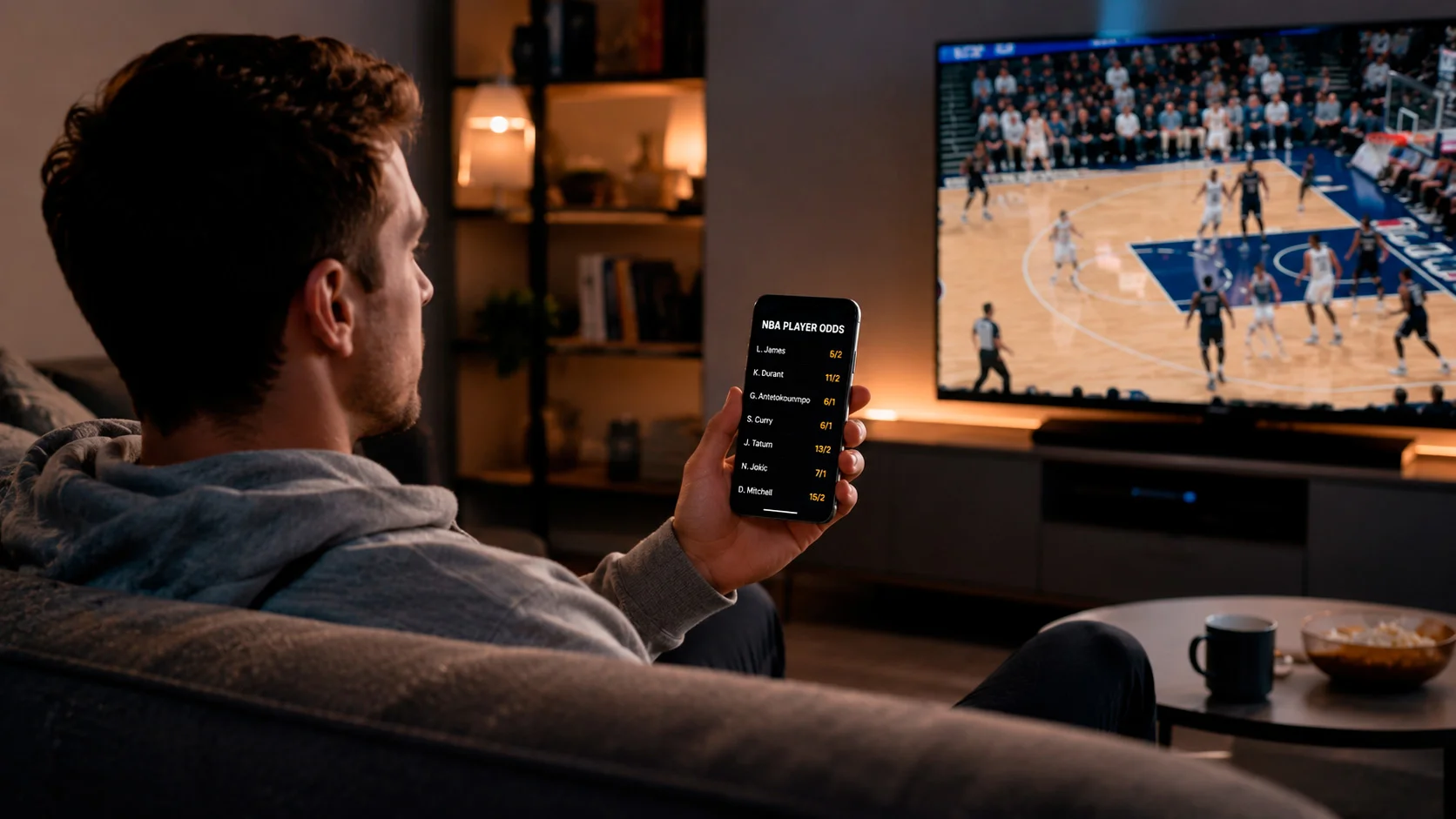
Watching three NBA games on a Sunday afternoon in 2023, I caught myself diagramming the same opening play in three different arenas. Different teams, different rosters, different uniforms – but the X-and-O of the first possession was nearly identical. High pick-and-roll for the lead guard, drag screen at 22 feet, slip on the second action. Three coaches, three different cities, one set. That afternoon I started keeping a notebook of opening plays by coach, and the notebook has been the single best edge-finding tool in my UK first basket workflow since.
The reason coaching opening plays matter is that the first possession is the most scripted thirty seconds in any NBA game. Coaches choreograph it during practice, drill it in shootaround, and run it almost verbatim out of the tunnel. The variance in opening-possession outcomes is therefore much lower than in mid-game possessions – which means a UK first basket bettor who recognises the script can predict the first-shot taker with higher confidence than the operator’s pricing model assumes.
This article walks through the major archetypes of opening plays, two contrasting case studies (a coach with a rigid script and one who improvises), the difference between post-timeout sets and pure tipoff plays, and the practical method I use to track coaching patterns through a season. The objective is to give you a framework for reading any team’s opening possession in real time and translating it into a betting decision before the ball is tipped.
The four types of opening plays you will see all season
Opening plays in the modern NBA fall into four broad categories. The first is the high pick-and-roll, which I touched on in the introduction. The lead guard brings the ball up, a centre or stretch four sets a screen near the top of the arc, and the play resolves in one of three ways: pull-up jumper from the ball-handler, drive to the rim, or kick-out to a shooter on the wing. This is the most common opening play in the league – somewhere around 35-45% of all opening possessions across all teams.
The second is the off-ball staggered screen. A star wing or guard comes off a double or triple screen on the weak side, catches the ball in motion, and either shoots, attacks the closeout or feeds a teammate cutting backdoor. This script favours catch-and-shoot guards and is the second most common opening play, especially on teams whose primary scorer is more comfortable as a movement shooter than as a high pick-and-roll ball-handler. Teams that won the opening tipoff scored the first basket 64% of the time, and the staggered-screen script is one of the cleanest expressions of that conversion advantage because the off-ball action is timed to the inbound from a tipoff possession.
The third is the post-up entry. The team feeds a centre or forward in the post on the opening possession, with the wings spread to clear the lane. This script is less common than it used to be – the league-wide drift toward perimeter spacing has reduced post-ups generally, and opening-possession post-ups specifically – but a handful of teams still build their first set around a true post threat.
The fourth is the transition or quick-strike script. Some teams skip the half-court set entirely on opening possessions, pushing the ball up the court immediately and looking for an early shot before the defence is set. This is a coach-driven choice – usually a coach who values pace over half-court execution – and it produces a much wider distribution of first-shot takers, which makes the first basket market harder to model on these teams.
Case study – a coach with a rigid opening script
The coaches with the most rigid opening scripts are typically the most data-driven. They identify what works, drill it relentlessly, and run it until the defence forces an adjustment. Watching a team like this, you can predict the opening-possession action with high confidence – sometimes the first three or four passes, sometimes the entire shot result.
The benefit for a UK first basket bettor: the rigid-script coach’s team produces a predictable first-shot taker night after night. If the script calls for the centre to roll to the rim on the high pick-and-roll, the centre takes the opening shot 60-70% of the time. If the script calls for the wing to shoot off the staggered screen, the wing takes it 55-65% of the time. These conversion rates are higher than the operator’s model assumes, because the operator is averaging across all opening-possession scripts rather than the specific script in play tonight.
Teams that won the opening tipoff scored the first basket 64% of the time, according to academic regression analysis of NBA play-by-play data covering ~13 million events. The rigid-script coach’s team converts at the high end of that range when their script aligns with their tipoff result – they win the tip, run their pre-drilled play, and finish the opening possession with a high-quality shot at a high conversion rate. That stacked advantage is exactly where first basket value lives.
Case study – a coach who improvises
The contrasting archetype is the coach who treats the opening possession as a read-and-react opportunity. These coaches do not drill a single set; instead they teach principles of spacing and decision-making, and let their players choose the action based on the defensive coverage they read. Steve Nash’s Brooklyn teams operated this way; some Doc Rivers teams have, too.
The improvising coach’s opening possessions produce a much wider distribution of first-shot takers – sometimes the lead guard, sometimes the wing, sometimes the centre, depending on what the defence shows. From a betting model perspective, this is harder to predict, which usually means the first basket market on these teams has fewer obvious value bets but also fewer obvious traps.
The practical implication: against a rigid-script coach, you can confidently bet the player who is the scripted first-shot taker. Against an improvising coach, you have to either widen your prediction (back the field, bet a longshot) or skip the market entirely. I do not bet first basket against improvising-coach teams unless I have a strong matchup-specific reason to believe a particular player is the read.
Post-timeout plays versus pure tipoff plays
Coaches separately script their post-timeout plays, and these differ from their opening-tipoff plays in important ways. A post-timeout play (ATO – “after-time-out”) is run from a sideline or baseline inbound, which constrains the entry options compared to a tipoff possession that starts with a live-ball jumper.
For first basket purposes, only the opening-tipoff play matters. The ATO scripts are useful for in-play prop markets and for understanding a coach’s broader playbook, but they should not be confused with the opening-possession play. A coach can have a brilliant ATO playbook and a basic opening-tipoff script, or vice versa – the two skills are not strongly correlated.
The mistake casual bettors make is generalising from a coach’s overall reputation as a “good clipboard coach” to assume their opening play is also sophisticated. Sometimes it is, sometimes it is not. The opening-tipoff script is its own unit of analysis and should be evaluated on its own merits.
How to track coaching patterns through a season
The method I use is mechanical. For each NBA team, I keep a one-row entry per game noting the opening-possession action: which player took the first shot, what type of play the team ran, and whether the team won or lost the tipoff. Three columns, one row per game, accumulated across the season into a coach-by-coach profile.
By the time a coach has 15 to 20 games of data in the season, the pattern is usually clear. Either the coach has a rigid script (one or two plays dominating the opening-possession data) or an improvising approach (no single play dominating). Once the pattern is established, the betting strategy follows from it: rigid-script coaches produce predictable first-shot takers; improvising coaches do not.
The other input that becomes valuable in February or March is the in-season script change. Coaches sometimes overhaul their opening play mid-season – usually because the defence has caught up with the original script. When that happens, the previous data becomes obsolete and the bettor needs to wait for the new script to stabilise (typically 5-7 games) before resuming. Cross-referencing the coaching script against the player first-shot share data is the cleanest way to confirm a script change has actually happened versus a one-off variation.
How predictable are NBA opening plays in practice?
More predictable than most casual fans assume. Coaches with rigid opening scripts run essentially the same play for weeks at a time, with the same player taking the first shot 60-70% of the time when the script runs cleanly. Coaches who improvise produce wider distributions, but they are the minority.
When does an opening-play script change during the season?
Usually when defences have made the original script ineffective. The change is typically signalled by a run of poor opening-possession outcomes, followed by a new set being introduced over 3-5 games. Bettors should wait for the new script to stabilise – typically 5-7 games – before relying on it for first basket predictions.
Created by the ”nba First Basket Bets” editorial team.