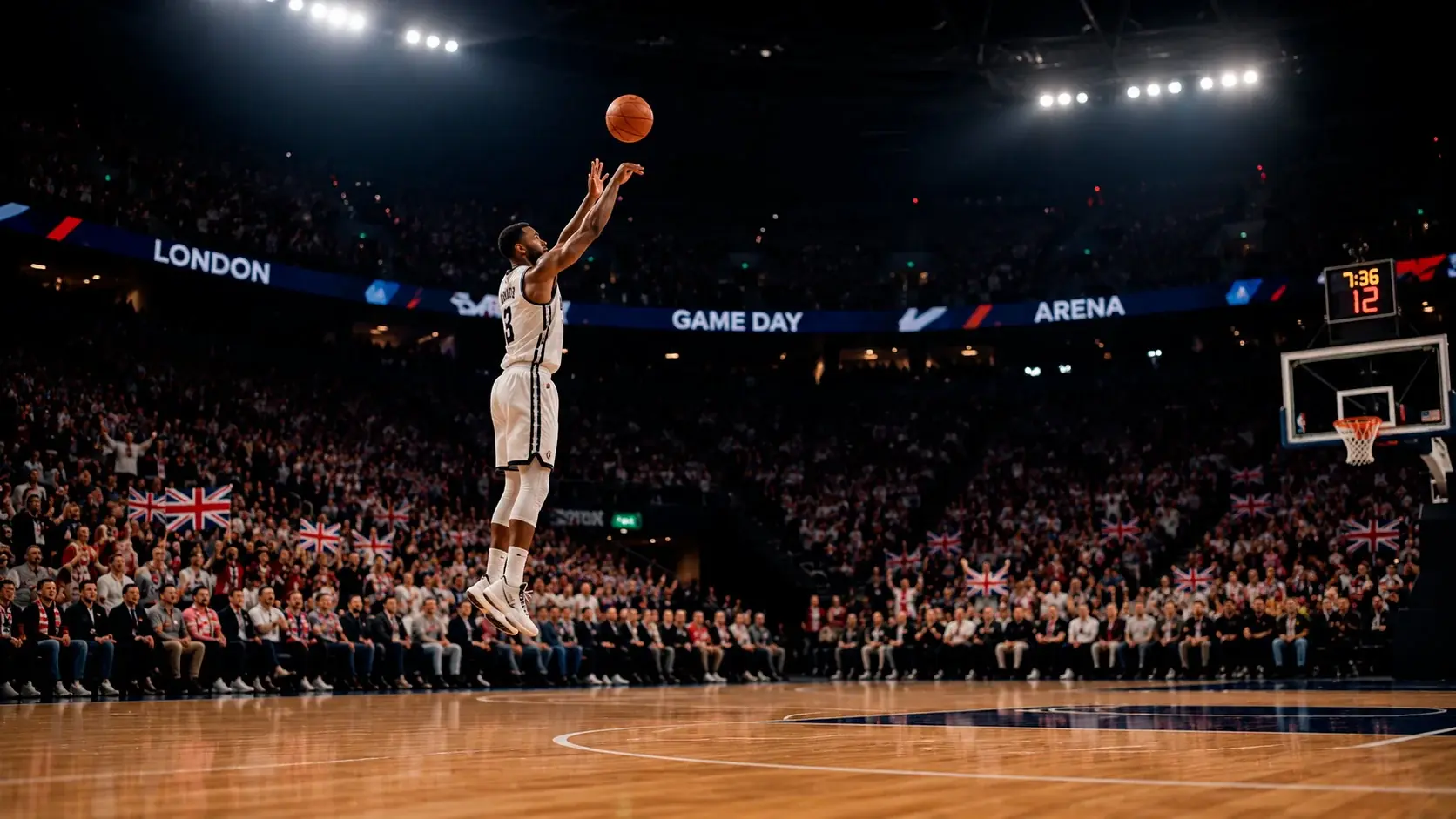
Pre-Tipoff Research Routine: A 15-Minute Workflow for UK First Basket Bettors
 Available in US
- The 15 Minutes That Save You from Most Bad Bets
- Step One: The Final Injury Report
- Step Two: Tipoff History for the Two Teams
- Step Three: First Basket Percentage and First-Shot Share
- Step Four: Cross-Book Price Check Without Falling Down a Rabbit Hole
- Step Five: Stake and Deposit Discipline Before You Tap
- Closing the Laptop and Making the Routine Stick
The 15 Minutes That Save You from Most Bad Bets
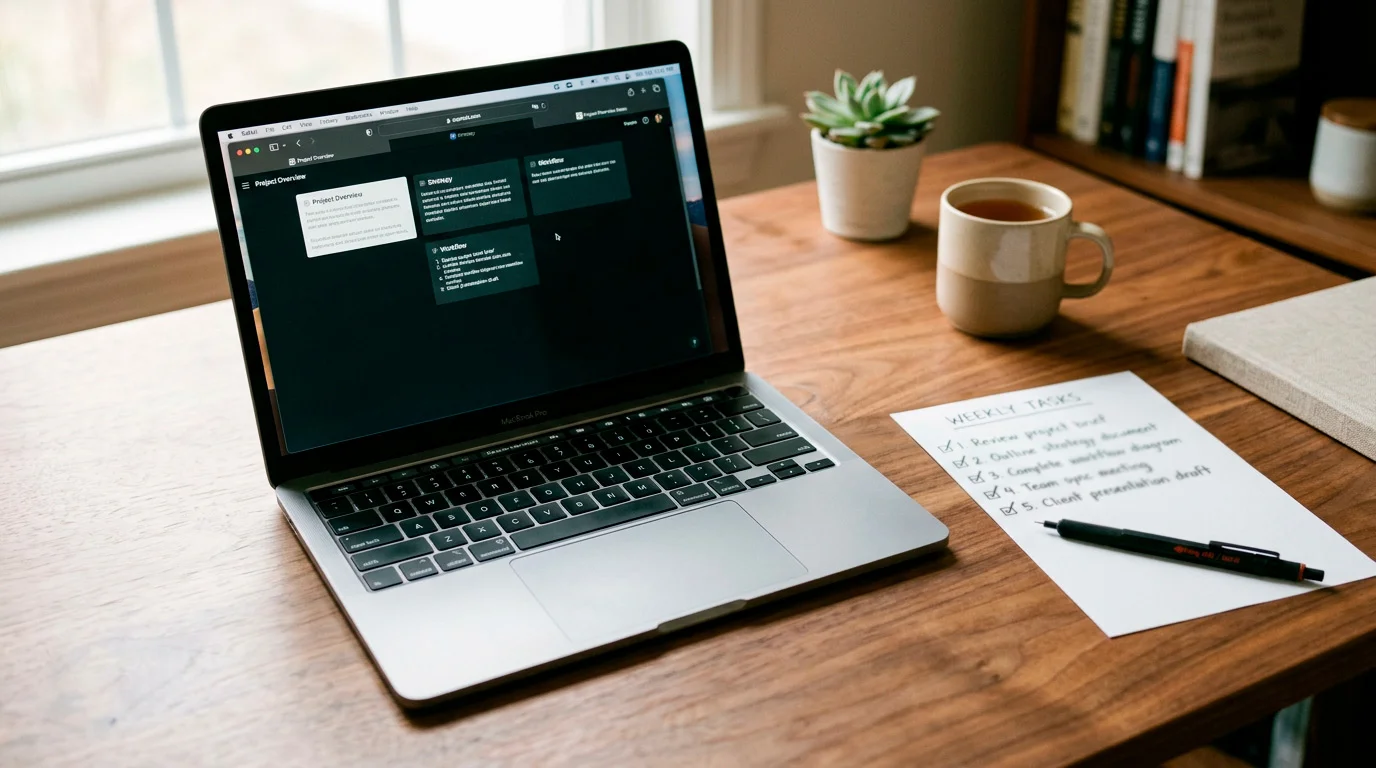
Half past midnight on a Wednesday in Manchester. Tipoff in twenty minutes. The kettle is on. I have my laptop open, three tabs ready, and I am about to spend the next quarter of an hour deciding whether tonight’s first basket bet goes on at all. Most weeks the answer ends up being no. The point of the routine is not to find a bet – it is to filter out the bets that should not happen, and there are plenty on any UK NBA night.
Fifteen minutes is the right window. Less than that and you are guessing. More than that and you start finding reasons to bet rather than reasons not to. The five steps below are what I run, in this order, every time. They catch the late injury news, the tipoff context, the player-level data, the cross-book price discrepancy and the stake-discipline check. Skip any one and you are betting blind on the dimension you skipped.
I will walk through each step with the kind of detail that makes the routine portable. You should be able to read this once, build the workflow into your own evenings, and run it in roughly fifteen minutes by the time you have done it three or four times. The aim is repeatability, not perfection.
Step One: The Final Injury Report
Last March I had a tidy first basket bet on a Sixers centre at 5.50 decimal. Forty seconds before tipoff, the Sixers’ beat reporter posted that the centre was a late scratch – knee soreness, no warning. I missed the tweet. The bet busted before the players walked out for warm-ups. The lesson cost me a unit and changed how I run the first five minutes of every research window.
Injury reports for NBA games are released roughly two and a half hours before tipoff, then updated. The official report is the floor; the meaningful information is the late updates from beat reporters and the warm-up reads from courtside cameras. UK punters have an awkward time-zone disadvantage here – most NBA games tip at midnight or one in the morning UK time, exactly when beat reporters are most active. You need a system, not a habit.
My step-one workflow is two tabs. One on the league’s official injury page, one on a beat reporter list for the two teams playing. I refresh both at the start of my fifteen-minute window and again at the five-minute mark before tipoff. If the player whose first basket I am considering is questionable, the bet does not go on. If the player whose first basket I am considering is the team’s star and a teammate ahead of him in the rotation has been ruled out, that often increases first basket equity rather than reducing it – usage rate redistribution is the underrated injury-report read.
The rule I run: any change in the centre or starting point guard’s status within ninety minutes of tipoff resets the entire bet. I re-evaluate from scratch. Tipoff dynamics live in those two positions, and a swap there changes everything downstream.
Step Two: Tipoff History for the Two Teams
Tipoff is not a coin flip. It is the most under-priced market in NBA prop betting because most casual punters assume it is roughly fifty-fifty between any two centres. The data says otherwise, sometimes spectacularly. During the 2024-25 season the Lakers won 61.3 percent of opening tip-offs while the Brooklyn Nets won only 36.5 percent – the kind of split that drives first basket pricing if you are paying attention.
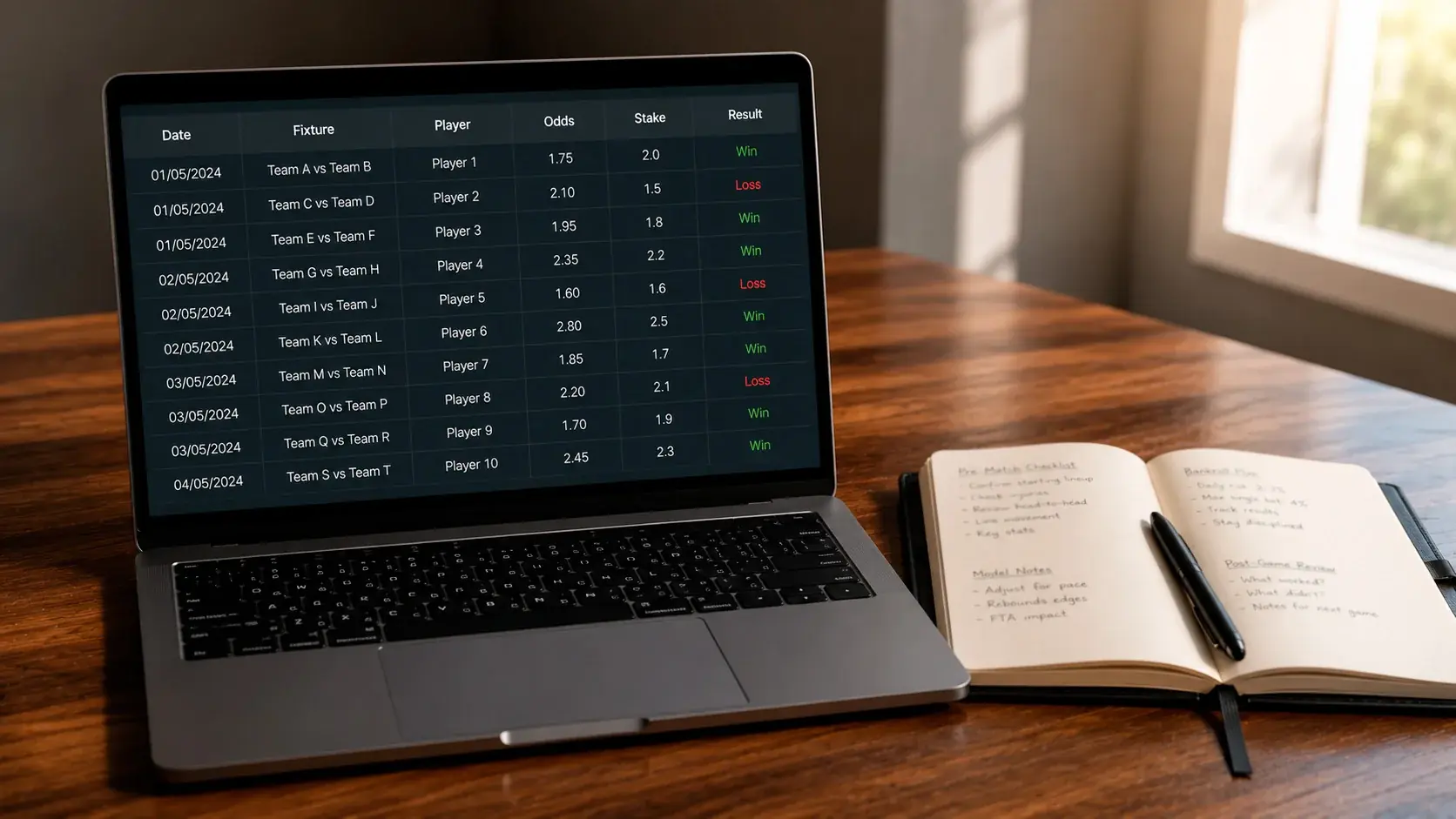
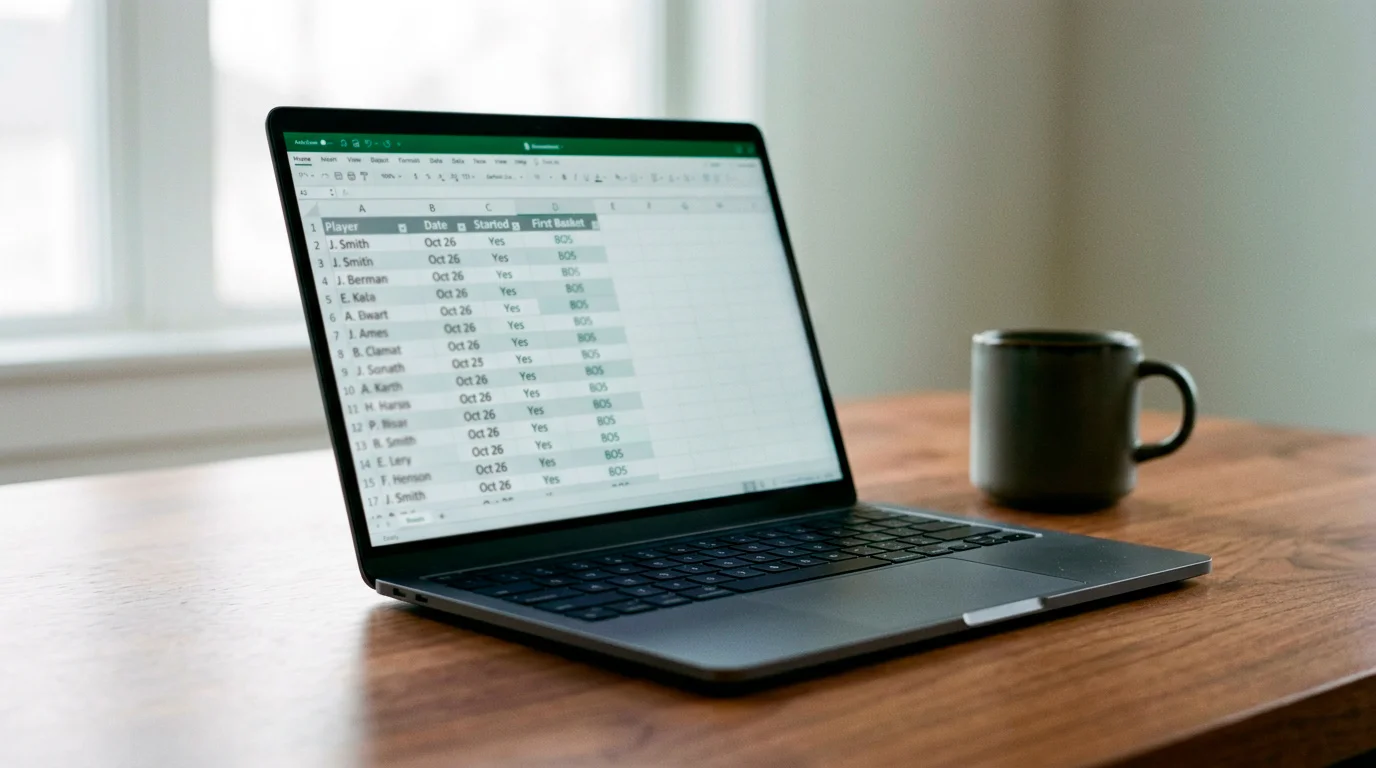
My step-two workflow is a single tab and a saved spreadsheet. The tab is the team-by-team tipoff data for the current season. The spreadsheet is my tracker, kept current weekly, listing each team’s tipoff win percentage and the centre most likely to start. I look up tonight’s two teams. The match-up tells me which side has the structural opening-possession advantage and by how much.
The reason this matters is mechanical. Winning the tipoff buys roughly an eight-second window where your team controls the ball with five offensive players in a designed action. The first basket of the game does not always come from that opening possession, but it disproportionately does – somewhere in the mid-sixties percent range across multi-season samples. So a team that wins the tip at 61 percent versus a team that wins at 36 percent is not 50/50 for first basket equity; it is meaningfully tilted before any other factor enters the calculation.
The data is also stable across seasons. Centres do not suddenly start winning or losing tips at radically different rates from one year to the next. The teams whose centres rotate frequently – injury-prone bigs, deadline trades – are the ones where my spreadsheet needs midweek refreshes. Stable rosters need refreshing once a month.
Step Three: First Basket Percentage and First-Shot Share
Tipoff edge tells you which team is likely to start the possession. First-shot share tells you who on that team is likely to take the opening attempt. These are different metrics, and the difference is where the real value gets made or lost on UK first basket boards.
Take Wembanyama. Across 58 starts in the relevant sample window, he posted a 20.7 percent first-basket rate, the Spurs won the opening tip 77.0 percent of the time, and Wembanyama took 27.6 percent of his team’s first shots. Three numbers, three different stories. The 77 percent tipoff win is structural; the Spurs are simply going to control the ball most nights. The 27.6 percent first-shot share tells you Wembanyama is the designed first option but not the only one – he is sharing opening looks with about three other rotation players. The 20.7 percent first basket rate is the conversion of those two upstream numbers into the actual outcome that pays your bet.
Brunson is a different shape. He posted a 21.2 percent first-basket rate across 80 starts and took 23.8 percent of his team’s opening shots; the Knicks won the opening tip at 53.4 percent, converting to a 61.4 percent team first-basket rate. Lower tipoff win, lower first-shot share, but the Knicks’ team-level conversion is still strong because Brunson can create a first basket from a half-court set rather than depending on the opening possession at all. He is a guard who manufactures opening offence rather than receiving it.
The step-three workflow is a per-player check. Three numbers. Tipoff win percentage of the player’s team. First-shot share of the player. First basket rate of the player. If any of those numbers is below the rough threshold I want – 50 percent tipoff, 20 percent first-shot share, 17 percent first basket rate – I drop the bet unless the priced odds genuinely compensate. The market is rarely that generous.
Newer players and players returning from injury get an additional check: how recent is the sample? Twenty starts is the floor I work with. Fewer than that and I am projecting from limited evidence; the bet shrinks accordingly.
Step Four: Cross-Book Price Check Without Falling Down a Rabbit Hole
Step four is the highest-EV step in the routine. UK first basket boards diverge meaningfully across operators on individual nights. The same player can be 5.50 decimal at one book and 6.50 at another, on the same fixture, ten minutes before tipoff. That is roughly an 18 percent difference in implied probability, and over a season of bets the difference compounds into a serious portion of your annual edge.
My step-four workflow is three tabs. Three UK operators, all licensed, all with NBA first basket markets I trust to settle correctly. I open the same fixture on each, navigate to the first basket market, and compare prices for the player I want. If the best price is more than 5 percent shorter than the worst price, the disparity tells me one of two things: either the market disagrees about the player, or one of the books has been slow to update. Either way, I take the longer price if I am betting at all, and I size based on that price’s implied probability.
The discipline trap here is over-shopping. If you spend ten minutes looking for a slightly better price across six operators, you are spending the time you should have spent on steps one through three. The fix is a hard cap. Three operators, ninety seconds, take the best of the three or move on. Anything more elaborate is procrastination dressed up as research.
I also keep a mental list of which operators tend to lag on which markets. Some books update first basket lines aggressively in the final hour before tipoff; others wait for sharper books to lead. The lagging books are where the value lives, on the nights when the leading book has moved a price for a reason – late lineup news, a sharp early bet – that the lagging book has not registered yet. This is not insider information; it is just attention.
One internal cross-reference for context: my breakdown of how individual teams’ tipoff numbers shape the boards across a season is in tipoff history by team 2025-26, which is the spreadsheet feeder that makes step two possible.
Step Five: Stake and Deposit Discipline Before You Tap
The fifth step takes ninety seconds and has nothing to do with the bet itself. It has to do with you. Since 28 February 2025 UK remote operators are required to undertake financial vulnerability checks once a customer’s net spend exceeds £150 in a rolling 30-day period. The check is not theoretical and not punitive – it is a regulatory floor designed to catch escalating loss patterns before they become harm. As a UK punter, you should know where you are against that £150 figure on any given night, because crossing it triggers operator-side processes you may not anticipate.
My step-five workflow is two checks. Check one: my running 30-day net spend across all UK accounts I bet from. If I am within £30 of the £150 threshold, tonight’s stake gets sized so I do not cross it on a single bet. The check itself is not the problem; it is the friction it adds at exactly the moment I want to be focused on the next night’s research, not on responding to operator messages.
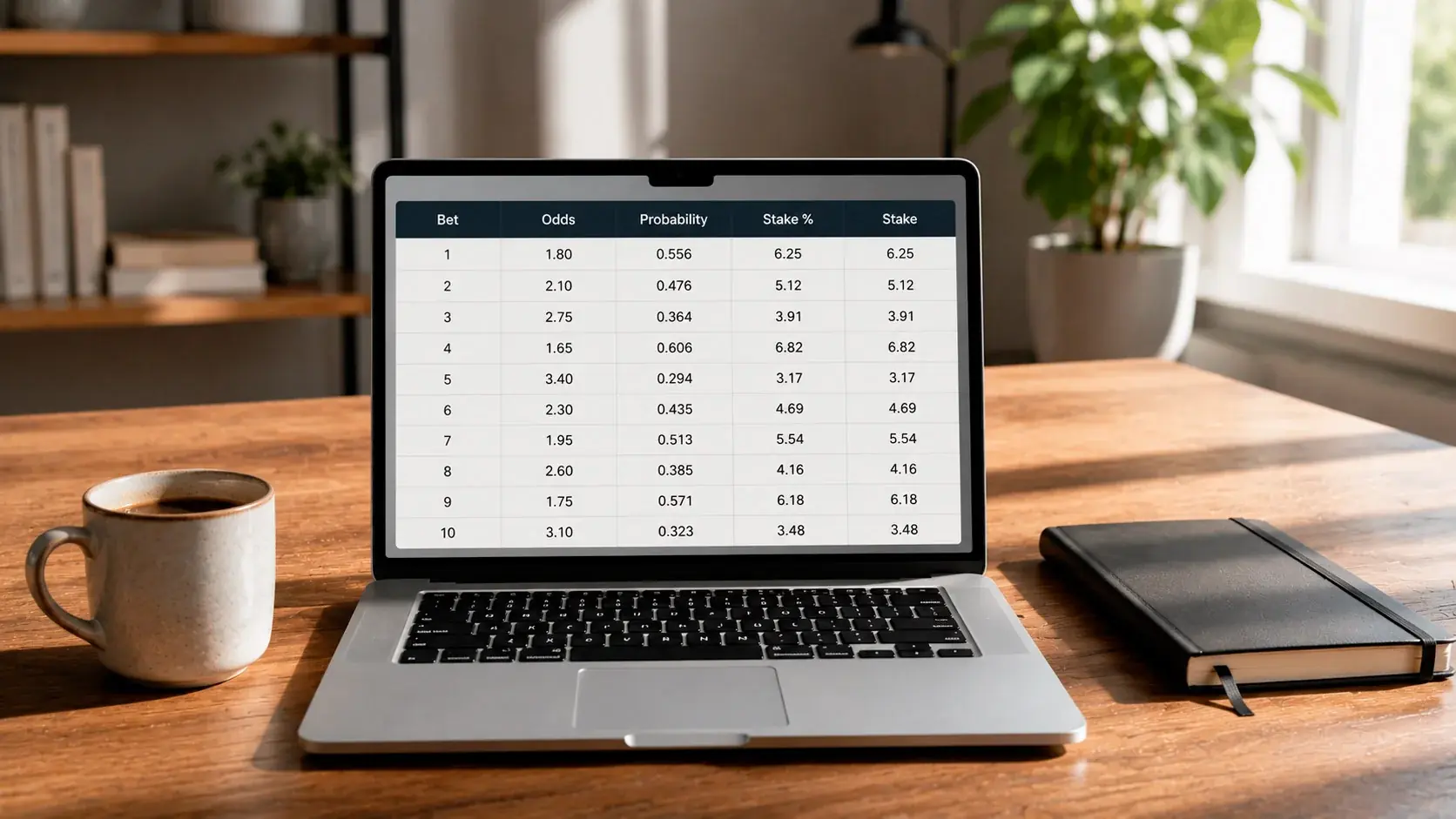
Check two: my own stake size against my prop bankroll. One percent on a single bet, half that on an SGA, hard cap at two percent on any combination of bets that resolve within the same fixture. The sizing rule comes before the bet goes on, not after. If I am tempted to size larger because the price feels especially generous, that temptation is the signal to size smaller, not larger. The price is generous because the market thinks something I do not, and overconfidence at the moment of submission is the most expensive mistake on the routine.
Closing the Laptop and Making the Routine Stick
The five steps take a quarter of an hour once they are habitual. The first two weeks they will take twice that. Stick with it; the routine compounds because every step you skip is the step that catches the next bad bet, and bad bets are how UK punters lose money over a season – not by being wrong on individual reads, but by skipping the read entirely on the third or fourth night of a busy week.
The honest truth is that most nights the routine ends with me closing the laptop without placing a bet at all. That is the routine working. The bets that survive five filters are the bets worth sizing meaningfully, and the bets that fail any one of them are the bets I would have regretted in the morning had I placed them anyway.
Can the routine work in less than 15 minutes?
Once habitual, yes. After three or four months you will compress steps one and two into roughly four minutes combined and steps three through five into seven or eight. The first month is genuinely closer to half an hour because you are still building the spreadsheets and learning which sources to trust.
What if injury news breaks after I have placed the bet?
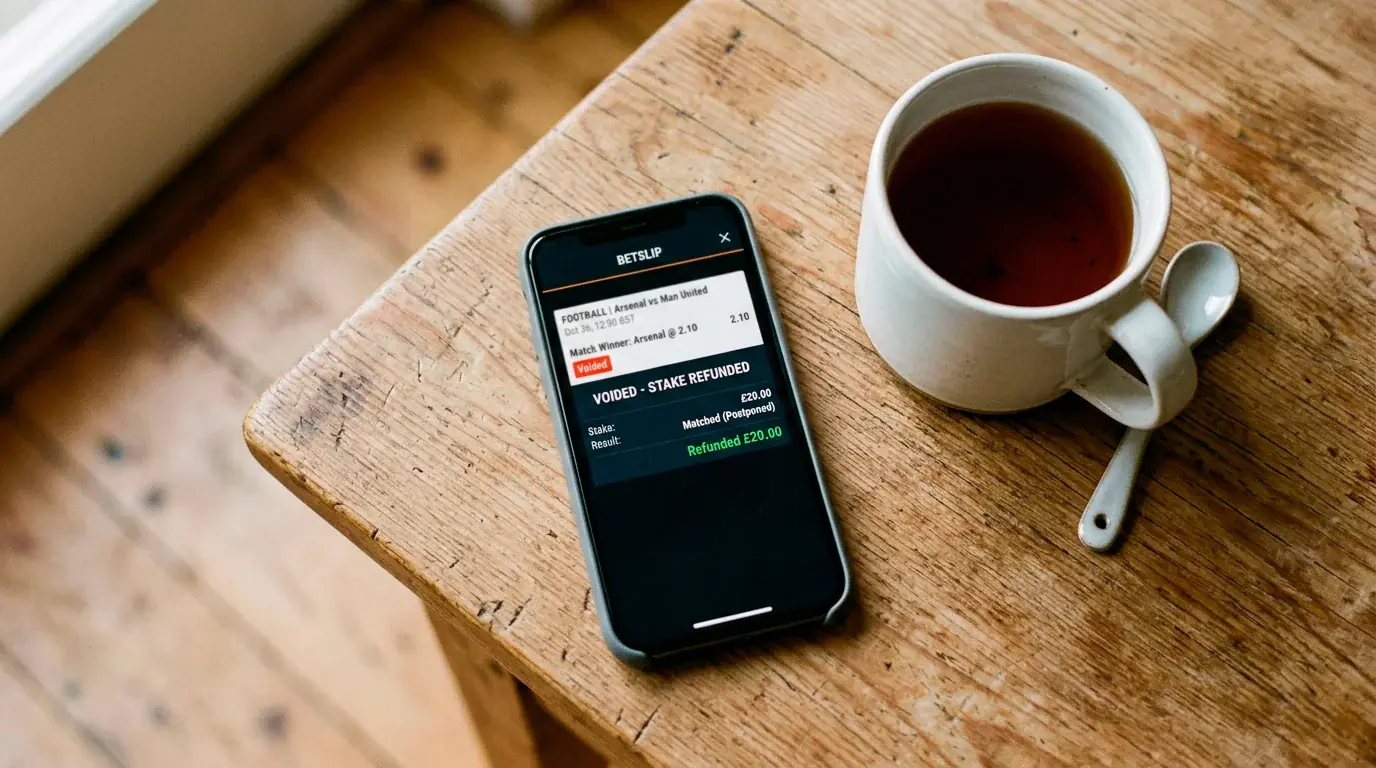
UK books have specific void rules for first basket bets when a named player does not appear. Read the rules of your operator before you bet – most refund the stake if the player does not see the floor, but the wording differs. The bet should be considered live until tipoff.
Written by the editors at nba First Basket Bets.