In-Play First Basket Strategy: Reacting to a Missed Opening Shot
 Available in US
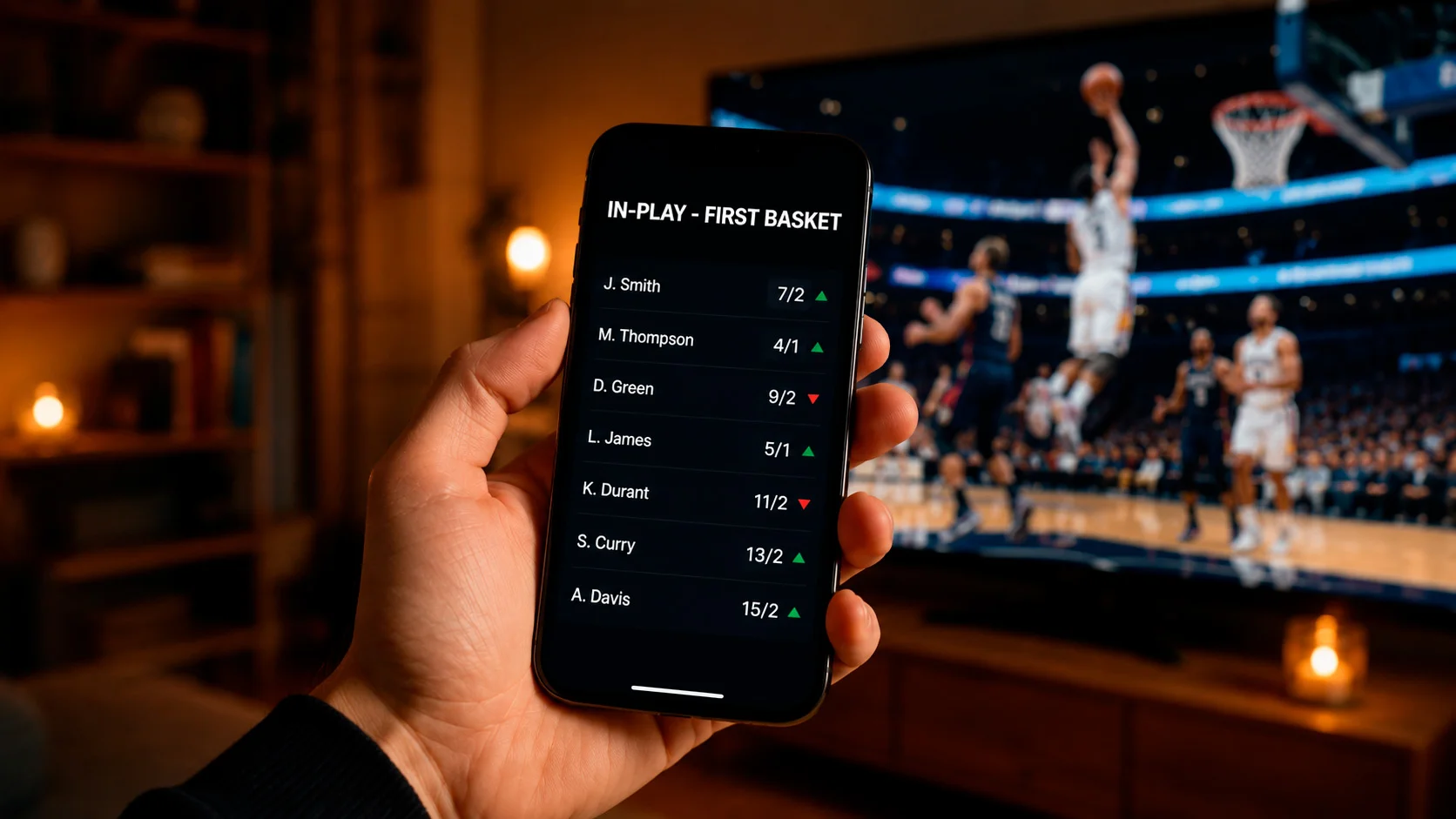
The Window That Opens at Tipoff
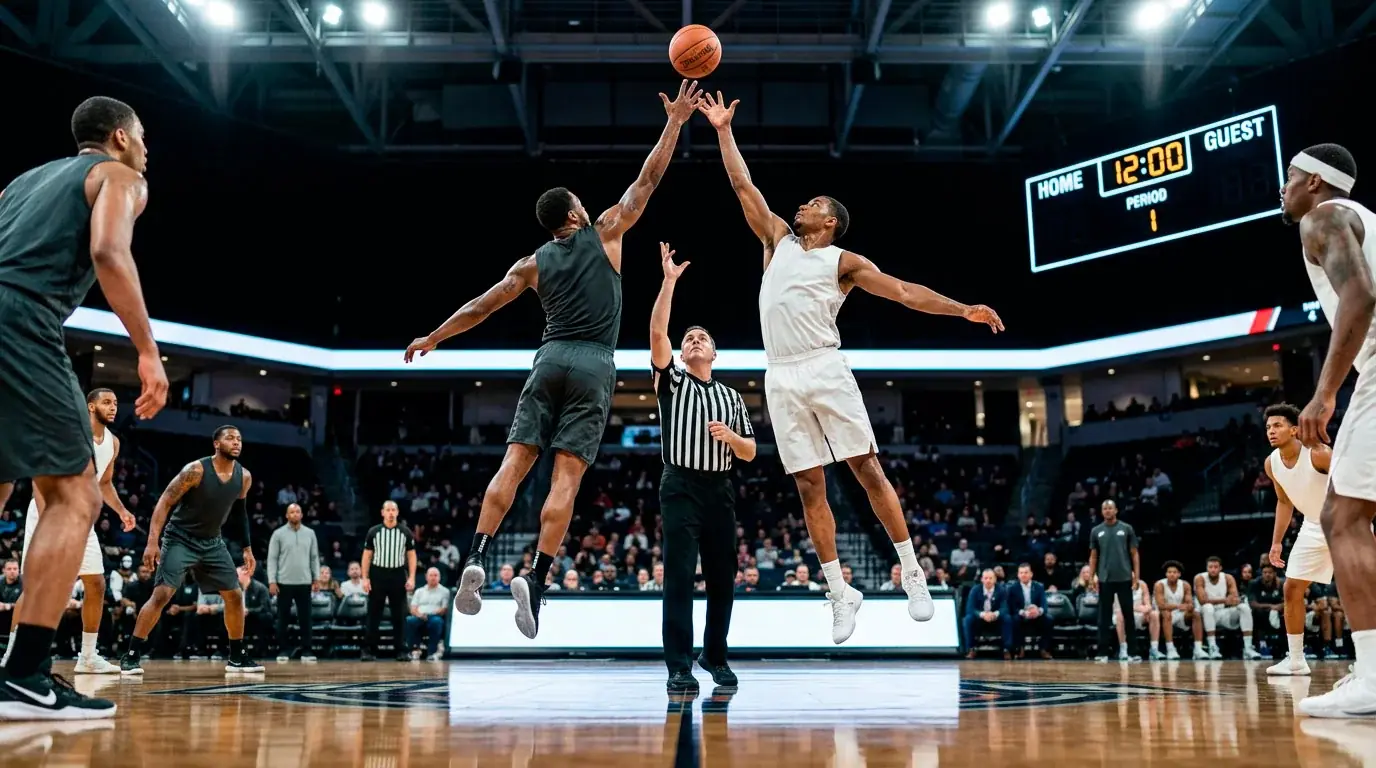
The clock on a first basket bet does not stop when the ball goes up. It stops when somebody scores. Between those two moments – typically eight to thirty seconds, sometimes longer – there is an in-play window where odds move faster than most UK bettors realise, and a pre-game position can either be hedged or stacked depending on what happens to the opening possession. I have made some of my best calls in that window and some of my worst, and the difference was almost always discipline, not insight.
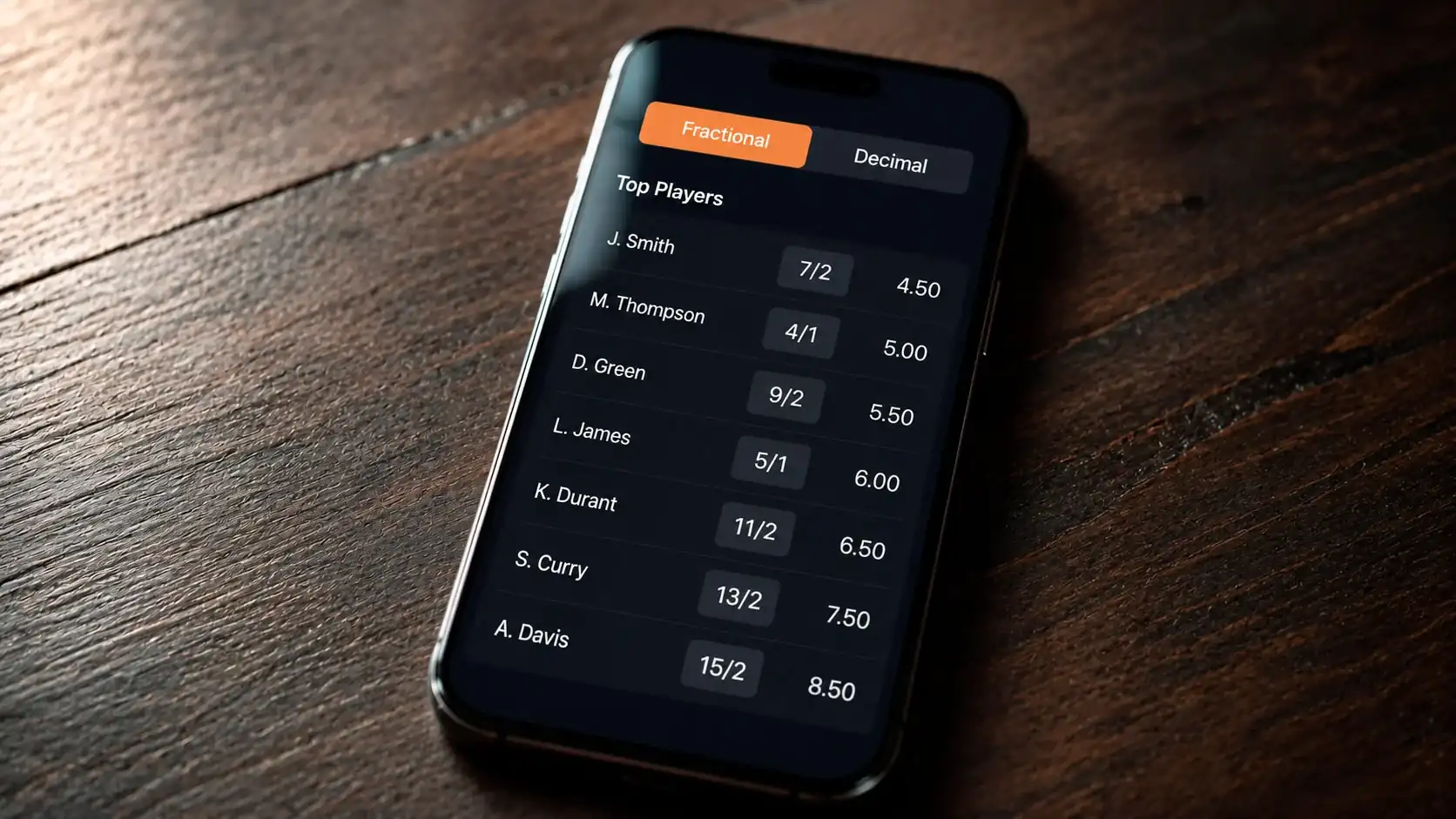
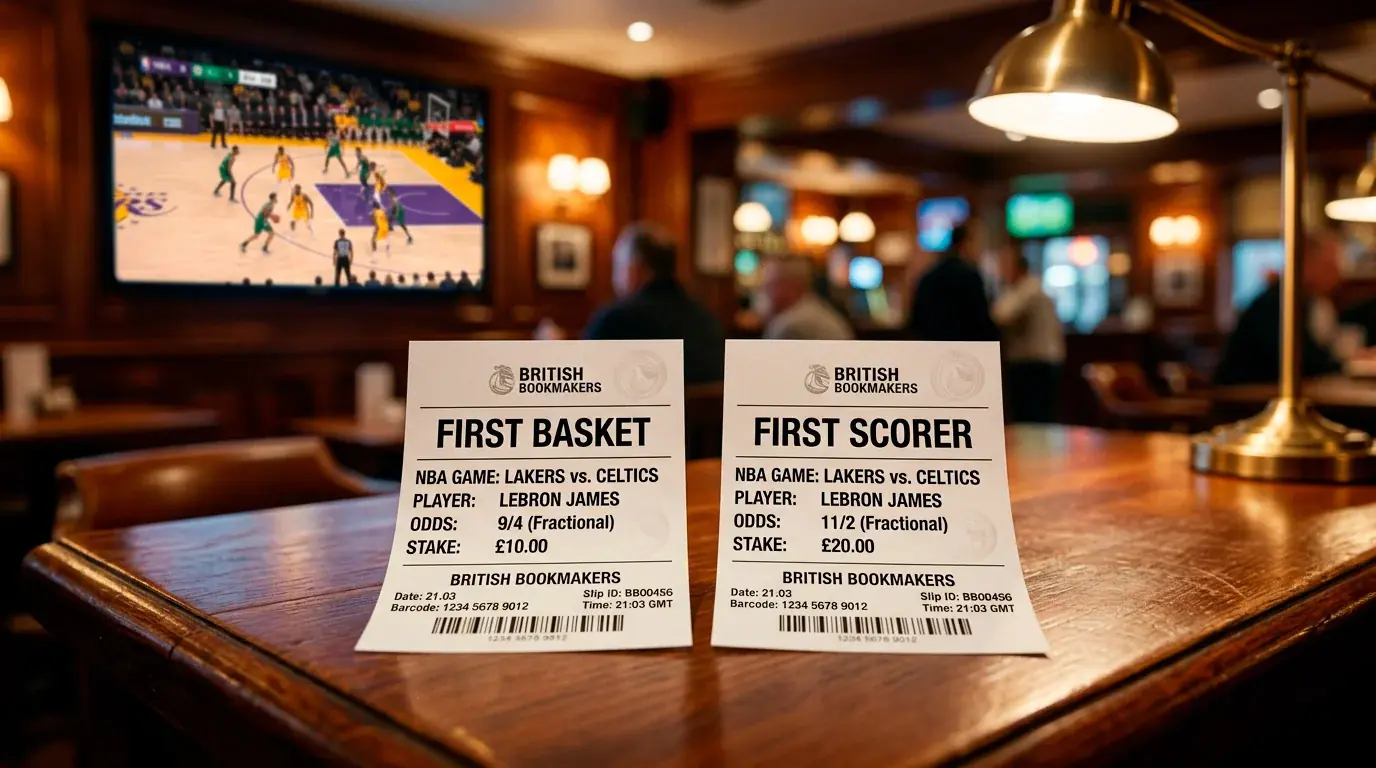
The premise is simple. You took a player at 5/1 before tipoff. The opening jump goes their way, the inbound finds their hands, they take the first shot – and miss. The rim spits it out, the rebound goes to the other end, and now your 5/1 ticket is suddenly worth less in the live market than it was thirty seconds ago. A live book might be offering 7/1 on the same player to score the next basket. Or – and this is where the trade gets interesting – your original ticket might actually be voided depending on the operator’s rules around what counts as the first scoring play.
This piece is about reading that window. I will walk through the market mechanics, what missed-shot signals actually mean for the next thirty seconds of probability, the latency problem that makes UK in-play harder than people admit, and the bankroll discipline you need to survive when you are clicking on a phone screen with seconds to decide. The goal is not to turn first basket into day-trading. It is to give you a framework so that when the in-play window opens, you are not improvising.
The In-Play Market Window
In-play betting is not a niche feature any more – it is the dominant format. Live or in-play wagering accounted for 62.35% of the online sports betting market in 2025, growing at a 13.62% compound rate through 2031. That number tells you that the books have built their stack around live, not pre-game. Their pricing teams, their data feeds, their app interfaces all assume you will be betting after the whistle blows, not before.
For NBA first basket specifically, the in-play window is short and unusual. Most live markets stay open through the entire game, repricing every few seconds. First basket is different because the market closes the moment somebody scores. So the window is bounded by the first made field goal. What happens inside that window depends on the operator: some keep the market open through the opening possession until a basket is made, with odds drifting on every missed shot; others lock the market at tipoff and only the original pre-game prices stand. The first model is the one I am writing about.
Inside that live first basket window, you might see one or two shot attempts, one or two misses, a defensive rebound, maybe an offensive rebound that resets the possession. Each of those events updates implied probability for every player still on the floor. The book’s model is doing this in real time. Your job is to know whether their reprice is fair, slow, or already wrong by the time you click.
Reading the First Missed Shot
A miss tells you more than a make does. When the opening attempt drops in cleanly, the market closes – the ticket settles, money moves, and that is the end of the window. But when the shot rims out, you have just received a packet of new information that the live model has to process and that you can read with your eyes faster than the algorithm in some cases.
The information depends on who took the shot and where. If a team’s primary first-shot taker – say, a player carrying 25-plus per cent of the team’s opening looks – clanks a corner three on the opening set, the model has to redistribute that probability across the other four players on the floor. The same player can come back into the calculation if there is an offensive rebound and a kick-out. If the rebound goes the other way, the probability that the first basket comes from the opposing team jumps.
Where the miss came from matters too. A miss at the rim with an offensive rebound available is not the same as a miss from twenty-five feet out where the defence is already running. Most live algorithms account for this, but there is variance in how quickly. The fastest books reprice within a second or two of the rebound; slower interfaces lag four or five seconds behind the actual play. That lag is your friend or your enemy depending on which side of the trade you are on.
Timing the Bet vs Latency
Latency is the silent enemy of in-play first basket trading. Your phone is showing a stream that is between five and twenty seconds behind real-time, depending on how you are watching. The book’s price feed is closer to real-time but not always – there are operators whose live odds are fed off the broadcast, which means their prices update at the same delay you see, plus a processing buffer.
This creates three scenarios you have to know how to identify. The first is the synced scenario: your stream and the book’s prices are roughly aligned, both lagging the real game by the same amount. Here, what you see is what the price reflects, and you trade on read. The second is the favourable scenario: your stream is faster than the book’s price update, which is rare but happens with some bookmakers off venue feeds – you see a miss before the price moves, and there is a brief window to take the value. The third is the dangerous one: the book’s odds are updating off a faster feed than your stream, which means the prices have already moved by the time you see the play. You are reading yesterday’s news.
The practical implication is that if you are betting in-play first basket from a phone watching a delayed broadcast, you should assume scenario three by default and price your edge accordingly. Anything you think you have seen is probably already in the price. The exception is when you have additional information – a player tendency, a coaching pattern, a defensive scheme – that the live model is not weighting heavily enough. Those edges exist, but they are based on prep, not reaction.
FanDuel Data Context from the 2024 Deal
The data infrastructure that runs live NBA betting is not generic. The NBA partnered with FanDuel in 2024 to provide real-time player-tracking data, enabling micro-bet types such as next player to score and total points in the next two minutes. That deal sits behind a lot of what you see on UK live screens, even if the operator you are using is not FanDuel – partner data flows through licensing arrangements and data exchanges that ultimately feed several books.
What this means for the first basket window: the model that is repricing your odds after a missed shot is built on player-tracking data, which captures shot speed, defender distance, expected shot quality. So the live odds adjustment after a miss is not just “this player attempted and missed, lower their probability.” It is closer to “this player attempted a shot with X expected percentage given defender distance and rim location, missed it, and now we redistribute probability based on tracked floor positioning, who is closest to the rebound, who is in their preferred zone.” Sophisticated.
For UK bettors, this matters in two ways. First, it means the live model is harder to beat with eyeball reads than people assume. Second, it means the model has known biases – particularly around small-sample season starts where tracking data on a given player is thin, or in late-game scenarios with substitution patterns the model has not seen often. Early in the season and around rotation oddities are the windows where eyeball reading still has a chance.
This is also why I treat the first three to four weeks of the regular season as the highest-value live first basket window of the year. The model is rebuilding its priors. By December, it has caught up.
Bankroll Discipline in Fast Markets
The in-play first basket window forces decisions in ten to thirty seconds. That tempo is incompatible with the deliberate stake-sizing most UK bettors apply to pre-game tickets. So either you build the discipline in advance – a pre-set in-play unit, a pre-set maximum number of live first basket trades per night, and an absolute stop-loss for the session – or you do not bet in-play at all. There is no middle ground that works.
My personal rules, after a few years of trial and embarrassing error: the in-play first basket unit is half my pre-game unit. The maximum number of live first basket reactions per game is one – meaning if I have entered the live market on a missed opening shot, I am out of that game’s first basket market, full stop, regardless of what happens next. And the session cap is three live first basket bets total across whatever slate I am watching. Beyond that I am chasing.
The reason for half-stakes is variance plus latency. A pre-game first basket bet has known variance based on documented player and team rates. A live first basket bet has the same variance plus the added uncertainty of whether your read was real or whether you were pricing off stale information. Half-stakes recognise that you have less confidence in the live trade than the pre-game one, even when you feel more confident in the moment. The feeling of confidence is the trap.
One of the better mental frames I have learned for in-play discipline came from thinking about gambling regulation philosophy. Adam Silver, the NBA Commissioner, put it sharply when he said: “Ultimately, the issue is not whether you are pro- or anti-sports betting. You begin, from my standpoint, from the premise that it is going to continue to exist, and if it is going to continue to exist, should it be shoved underground, or should it be regulated?” That premise – that betting is going to happen, the question is how – applies to your own behaviour as well. You are going to be tempted into in-play. The question is whether you have a regulated framework around your own decisions or whether you are running on instinct and a phone screen at 1am.
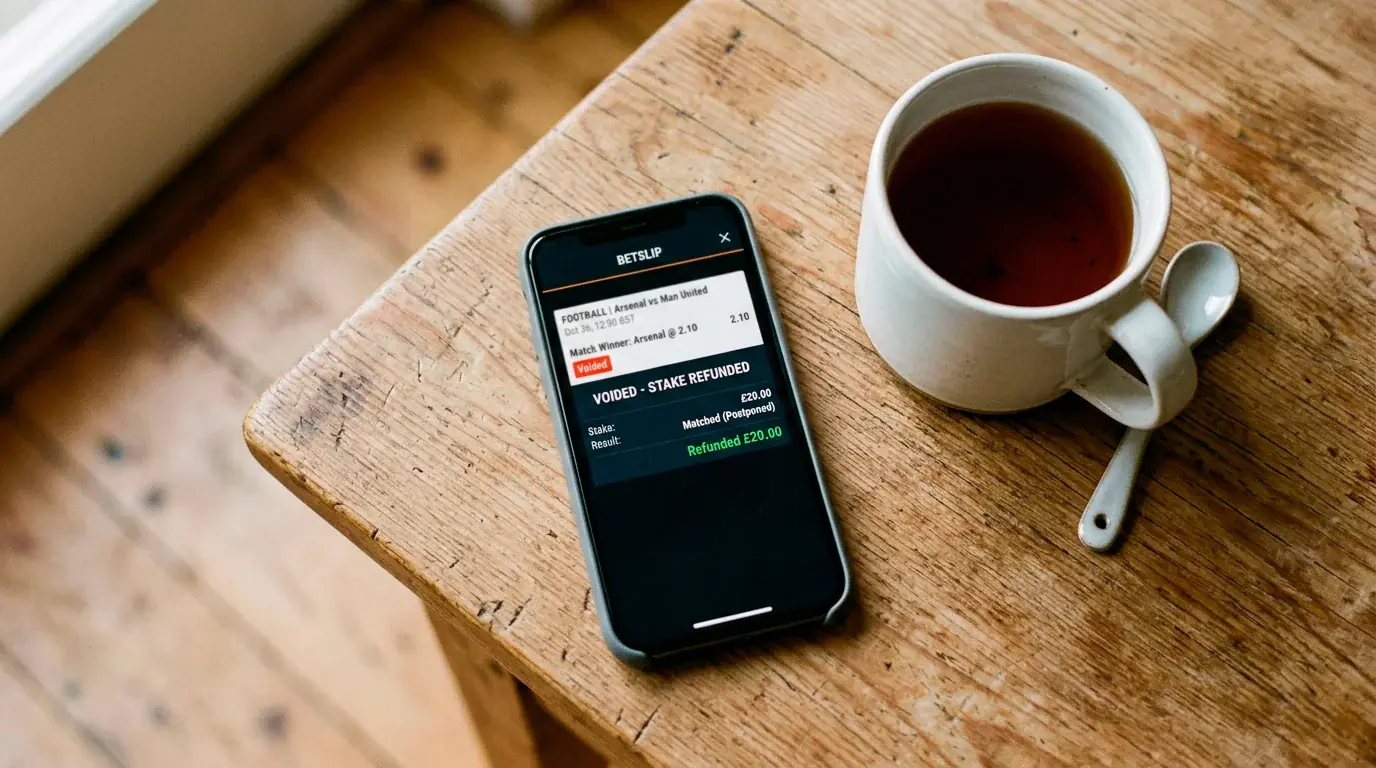
Different operators handle the in-play first basket market differently, especially around what counts as a settled bet versus a void. Before you start trading live, you need to know your operator’s specific rules – particularly the rules around voided first basket bet scenarios, because the line between a bet that voids and a bet that loses can be the line between a survivable session and an expensive one.
Where In-Play First Basket Earns Its Keep
The honest assessment is that in-play first basket trading is not where most UK bettors should live. The latency problem, the speed of repricing, the half-unit stake recommendation – all of these point toward a market where the casual bettor gets eaten by the model and the skilled bettor extracts only thin edge. Pre-game first basket is structurally easier because you have time to think, time to compare prices across books, time to price your edge against documented data.
The case for spending any time on the live window at all is twofold. First, it is a hedging tool: if your pre-game position is exposed because the opening tip went the wrong way and your player did not get a clean look, the live market is sometimes the only place to recover part of the position. Second, it is an information edge: watching the live first basket window over many games trains your eye for which teams’ opening sets break down, which players force bad opening shots, which coaches call sets that the live model is consistently mispricing. That eye work feeds your pre-game prep – which is where the actual money is made.
What happens to my pre-tipoff first basket bet if my player misses the opening shot?
The bet stays open until somebody scores. If your player misses but their team scores next through someone else, your bet loses. If your player misses, gets the rebound, and scores on the putback, your bet wins. The market does not settle on shot attempts – only on the made basket.
Is in-play first basket betting available on all UK operators?
Most UK operators offer some form of live NBA betting, but specifically a tradeable first basket market that stays open after tipoff is not universal. Some books lock the first basket market at tipoff and only offer next basket as the live equivalent. Check your operator’s market list before tipoff to know which window you are working with.
Created by the ”nba First Basket Bets” editorial team.